
Why did only 30% of people get employment while the rest 70% failed?
This question highlights one of the biggest issues in today’s competitive world. Every year, the percentage of employment decreases while the demand for advanced qualifications, technical expertise, and professional skills rises.
According to research, individuals with higher qualifications and upgraded skills are getting better job opportunities, while those with average knowledge often remain stuck at the same level. Many people discuss recession, market downfall, population growth, and rising education costs, but the real problem is the lack of professional skill development and adaptation to new technology.
In this blog, we will understand the meaning of career and professional development, explore its importance, benefits, challenges, and learn how technology can help you grow professionally and achieve long-term career success.
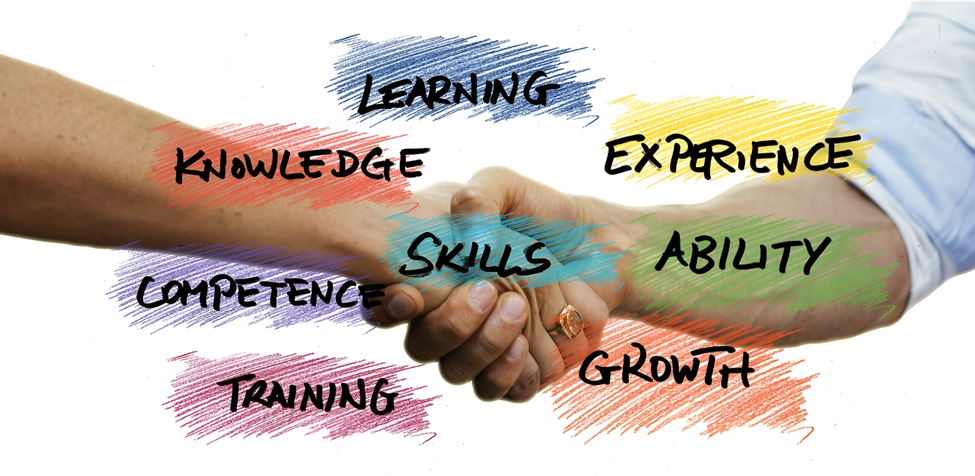
To explain a career in simple words is living the life fully enough to grow both personally and professionally.
Some people want to become doctors in their lives, some want to become engineers, some astronauts, and some opt for different profiles.
Nowadays we are not only limited to these profiles instead have many more career options and new profiles like digital marketers, bloggers, freelancers, dancers, artists, pharmacists, product managers, and content writers.
In engineer profile has also gained its advancement in the branches of producing new profile engineers such as AI engineer, ML engineer, and Cloud Computing engineer.
Understanding Career and Professional Development
To explain a career in simple terms — it’s about living a meaningful life that allows you to grow both personally and professionally.
Some people dream of becoming doctors or engineers, while others choose different professions like bloggers, digital marketers, freelancers, artists, or pharmacists.
Today, we’re not limited to traditional roles; modern fields like AI engineering, ML engineering, Cloud Computing, Cybersecurity, and Data Analytics are creating thousands of new opportunities.
Sadly, most students and professionals are not aware of these emerging fields and mistakenly think they have less scope. But in reality, technology-driven jobs are in high demand globally.
Choosing already saturated professions increases competition, making it harder to succeed. Instead, exploring new-age careers with proper analysis and a clear roadmap can help you achieve better results.
Everyone today uses smartphones — using them wisely for learning and professional development can open countless doors of opportunity.
“Smart Work Gains More Than Hard Work.”
Importance of Career and Professional Development
To achieve career success, it’s essential to understand the importance of career and professional development. Below are some key elements that help in continuous growth:
1. Discipline
Discipline shapes your professional image. It shows consistency and commitment toward your work, creating a strong foundation for success.
2. Adaptability
Being adaptable in different work environments helps you learn faster and makes you an important resource for the company.
3. Market Competitor
Keep track of market trends, new skills, and changing technologies. Staying updated keeps you ahead of competitors and improves job security.
4. Financial Growth
Your income reflects your skills. Focus on developing expertise that pays off, and practice saving regularly for financial stability.
5. Better Future
“Better performance contributes to a better future.”
When you deliver excellence consistently, your professional life automatically progresses toward success.
6. Job Satisfaction
Love your work, but also keep improving. Work satisfaction brings happiness and motivates you to reach your career goals.
7. Leadership Opportunities
Strong leadership and management skills open doors for promotions, respect, and recognition in your organization.
8. Deep Knowledge
A deep understanding of your subject helps you perform confidently and make impactful decisions in your job.
9. Better Analysis
Analyze your performance regularly. Understand your strengths and weaknesses to plan effectively for better outcomes.
10. Learning Attitude
No matter your age or experience, never stop learning. Lifelong learning is the foundation of continuous growth.
“The knowledge you gain never gets wasted.”
Overcoming Challenges in Career
Success is never easy. It comes with challenges, but those who learn to overcome them grow faster.
1. Time Constraints
Balance between personal and professional life. Proper time management increases productivity and career satisfaction.
2. Financial Barriers
Education can be expensive, but don’t let that stop you. Explore free online courses, blogs, and tutorials to learn without spending money.
3. Lack of Direction
If you’re confused about your career path, seek help from mentors, teachers, or online career counselors to find clarity.
4. Fear of Failure
Don’t fear failure; treat it as a learning experience. Every failed attempt brings you one step closer to success.
5. Staying Motivated
Long-term goals require patience and motivation. Celebrate small achievements to keep your enthusiasm alive.
Taking Help from Technology
Technology plays a major role in career advancement and skill enhancement. Using it smartly can make learning faster and easier.
1. Enhanced Problem-Solving Skills
Online platforms like YouTube, Coursera, Udemy, and LinkedIn Learning offer free and premium courses to enhance analytical and problem-solving skills.
2. Personal Growth
Technology helps improve communication, professionalism, and workplace etiquette — key qualities for career success.
3. Professional Skills Growth
Keep learning new digital skills such as AI tools, SEO, data analytics, and coding to stay relevant in today’s job market.
4. Career Advancement
Technology opens up global job opportunities through remote work, freelancing platforms, and digital marketing.
5. Job Security
By continuously upgrading your skills, you build confidence and job stability, making you irreplaceable in your field.
Conclusion
The main reason why only 30% of people get employment is because they keep updating their skills and learning new technologies, while the rest 70% stop improving after getting a degree.
Success in any career requires discipline, adaptability, continuous learning, and smart use of technology.
With the right direction and consistent efforts, you can achieve both career growth and professional development.
Start today — analyze your skills, learn from technology, and take one step daily toward your dream career.
You can share your thoughts in the comments below about how you plan to grow professionally and what steps you are taking for your career development.
With proper career guidance and professional career planning, individuals can build a skill-based career that ensures long-term success in the modern job market.
Frequently Asked Questions
Q1. What is professional development?
Professional development means continuously improving your skills, knowledge, and qualifications to achieve career growth.
Q2. Why is career development important?
It helps you stay competitive in the job market, increase job satisfaction, and open opportunities for promotions and financial growth.
Q3. How can technology help in career development?
Technology offers free access to online learning, networking, and global job opportunities, helping you improve faster.
Q4. What are some examples of professional skills?
Communication, leadership, problem-solving, adaptability, and technical skills are key for professional success.
Q5. How to stay motivated in your career?
Set small goals, celebrate progress, learn continuously, and surround yourself with positive, growth-minded people.